From Evaluation to Improvement: How to Continuously Strengthen the Work Environment


From Evaluation to Improvement: How to Continuously Strengthen the Work Environment
A healthy work environment isn’t something you create once and then forget about—it requires ongoing attention, dialogue, and adjustment. Many organizations conduct annual employee surveys or workplace assessments, but the real value comes when the results lead to meaningful action. This article offers inspiration on how to move from evaluation to genuine improvement and build a work environment that evolves with your organization.
From Data to Insight
An employee survey is an important tool, but it’s only the first step. Numbers and responses need to be interpreted and put into context before they can drive change. The goal is to understand what employees are really saying—and why.
Start by identifying key themes: Where are people satisfied, and where do challenges exist? Then, engage employees in conversations about the results. Often, valuable insights lie behind the numbers and only surface when leaders ask questions and listen openly.
When employees see that their feedback is taken seriously, engagement grows—and it becomes easier to create changes that truly make a difference.
Building a Culture of Continuous Improvement
A strong work environment isn’t a one-time project; it’s an ongoing process that requires consistent attention. Instead of treating evaluations as an annual event, think in terms of small, continuous adjustments.
- Hold brief check-ins on well-being and collaboration a few times a year.
- Encourage employees to share ideas for everyday improvements—big or small.
- Celebrate progress when something gets better. Recognition reinforces motivation and shows that efforts matter.
When improvement becomes part of daily life, you build a culture where everyone feels responsible for the work environment.
Leadership’s Role: From Oversight to Dialogue
Leaders play a crucial role in turning evaluations into action. It takes courage to listen—even when feedback is critical—and commitment to act on what you hear.
Good leaders use evaluations as a starting point for dialogue, not as a control mechanism. The key questions are: What can we learn from this? and How can we make things better together?
By involving employees in finding solutions, leaders build ownership and trust. Changes are easier to implement when they’re seen as shared decisions rather than top-down directives.
From Plan to Practice
Once areas for improvement are identified, the next step is to turn them into concrete actions. This might involve improving communication, clarifying roles, or adjusting physical workspaces and routines.
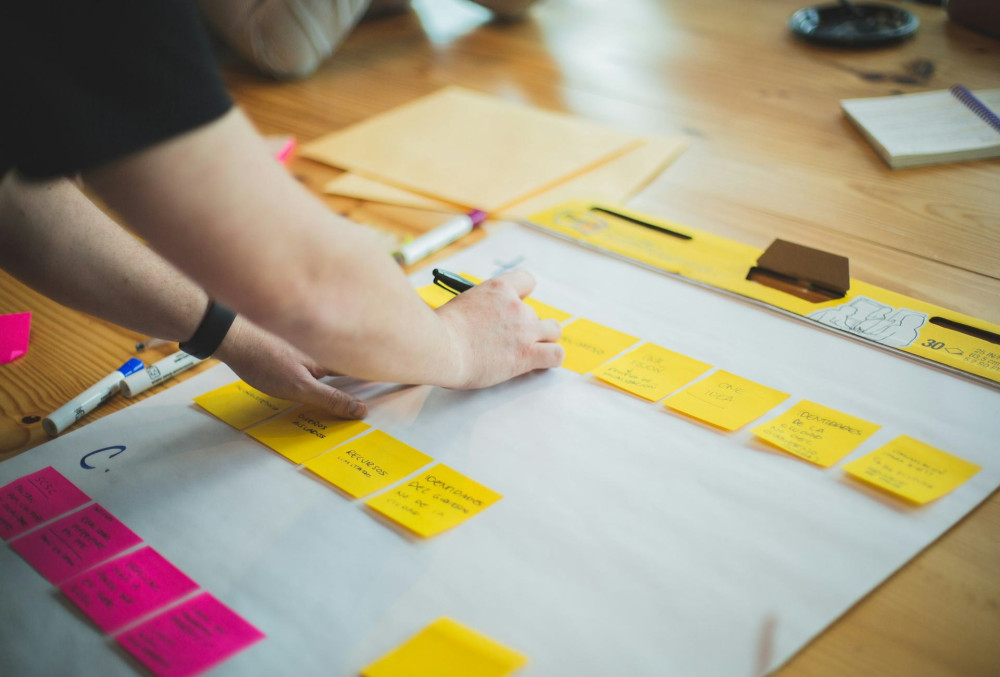
Create a realistic action plan with clear goals, responsibilities, and timelines. Follow up regularly—not just to check progress, but to support and adjust along the way. Small, consistent steps can lead to significant results when they’re followed through systematically.
A good rule of thumb is to focus on a few key areas at a time. This increases the likelihood that improvements will be implemented and sustained in everyday work.
Læs også:




Use Data—But Don’t Forget the Dialogue
Digital tools and employee surveys provide valuable data, but numbers alone don’t tell the full story. Data should always be complemented by conversations, observations, and feedback from employees.
Combining quantitative and qualitative insights gives the best foundation for understanding what truly affects the work environment—and how it can be improved.
An Investment That Pays Off
A positive work environment isn’t just about well-being—it’s also essential for quality, productivity, and retention. When employees thrive, they collaborate more effectively, perform better, and stay longer with the organization.
Continuous improvement of the work environment isn’t an expense; it’s an investment in both people and performance. It takes time and commitment, but the payoff is a stronger team and a more sustainable workplace for the future.
Læs også: