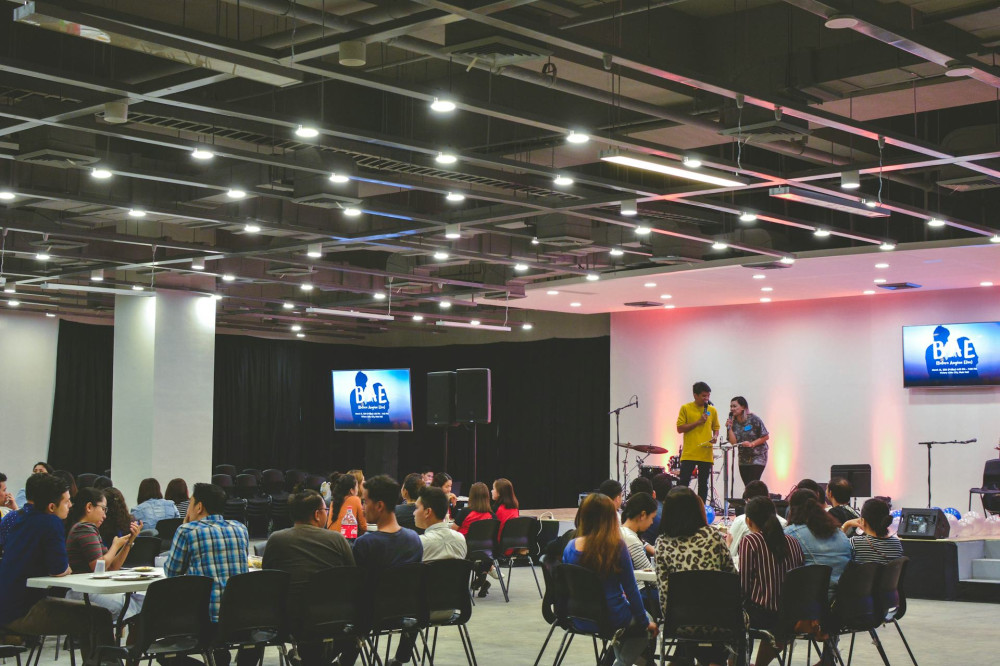
Kickoff Events: Strengthen Shared Direction and Engagement Around New Goals


Kickoff Events: Strengthen Shared Direction and Engagement Around New Goals
A new year, a new strategy, or a new project — whatever the occasion, a kickoff event can be the spark that unites your organization and sets the tone for what’s ahead. A successful kickoff isn’t just about presenting plans and numbers; it’s about creating energy, connection, and motivation. Here’s how to plan and execute a kickoff that engages your team and anchors new goals across the organization.
Why a Kickoff Makes a Difference
A kickoff is more than a meeting. It’s a symbolic fresh start — a shared moment where everyone understands why change is happening and what role they play in it. When employees feel included and inspired from the beginning, they’re far more likely to turn strategy into action.
A well-designed kickoff can:
- Build a shared understanding of goals and direction
- Strengthen collaboration across teams and departments
- Give leadership a platform to communicate vision and values
- Boost motivation and ownership among employees
Planning: From Purpose to Format
Before you book a venue or order catering, define the purpose of your event. What should participants walk away with? Should they understand a new strategy, learn new tools, or simply feel reconnected as a team? The purpose determines the structure of the day.
Consider these elements during planning:
- Audience: Is it the entire organization, a project team, or a specific department?
- Tone and format: Should it be formal and strategic, or informal and inspiring?
- Duration: A half-day may be enough if the message is clear, but major transformations often require more time.
- Location: Choose a setting that supports your goals. A venue outside the office can help people focus and think differently.
Content That Engages
A kickoff should both inform and inspire. A series of PowerPoint slides can quickly drain energy, so think in terms of variety and interaction.
- Start with a strong story. Leadership should set the stage with a clear, motivating narrative about why the new goals matter.
- Use real examples. Bring the strategy to life with stories from within the organization or the industry.
- Involve participants. Workshops, breakout sessions, or small group discussions help translate ideas into action.
- End with a shared commitment. This could be a symbolic gesture, a collective statement, or a plan for the first concrete steps.
Læs også:



Create Energy and Connection
The atmosphere of a kickoff is crucial. Music, visuals, and small surprises can help build excitement, but the most important thing is that participants feel part of something bigger.
Consider:
- Inviting an external speaker to offer fresh perspectives
- Featuring employees as co-hosts or sharing internal success stories
- Ending the day with a social activity that strengthens relationships
When people connect across departments and levels, new ideas and collaborations often emerge — and that’s where engagement truly takes root.
After the Event: Turning Words Into Action
A kickoff is only the beginning. To maintain momentum, follow up on the messages shared during the event. Post photos, videos, and highlights, and remind employees of the key takeaways. Schedule follow-up meetings to evaluate how the new goals are being implemented in daily work.
Leaders play a central role in keeping the energy alive. When employees see that promises made at the kickoff are followed through, trust and engagement grow stronger.
A Strong Start for Shared Success
A kickoff event is an investment in people — and in the organization’s future. When clear communication, community, and inspiration come together, it’s not just a good day; it’s a turning point that sets the direction for the year ahead.
Ultimately, it’s about creating an experience where everyone leaves with the feeling: We’re in this together.
Læs også: