Temptations in the Break Room? How to Prevent Overeating at Work

Temptations in the Break Room? How to Prevent Overeating at Work
The smell of fresh coffee, warm bagels, and leftover birthday cake can make even the most disciplined employee wander into the break room for “just a bite.” For many, lunch or snack time is a welcome pause in a busy day—but it can also lead to overeating and that familiar afternoon slump. How can employees and workplaces create an environment that supports healthy choices without taking the joy out of food? Here’s how to keep workplace temptations in check.
Why We Eat More Than We Need
Overeating at work isn’t just about hunger. It’s often influenced by stress, social habits, and the environment. When snacks are always within reach or when coworkers encourage “just one more cookie,” it’s easy to eat mindlessly.
Research shows that people tend to eat more when food is visible, when portions are large, or when they’re eating with others. In many American offices, free snacks, catered lunches, and celebratory treats can unintentionally encourage eating beyond what the body needs.
Be Mindful of Portion Sizes
A simple but powerful strategy is to pay attention to portion sizes. Start with a smaller plate or bowl—it makes a normal serving look more satisfying and helps your brain register fullness. Before going back for seconds, wait a few minutes; your body often needs time to signal that it’s had enough.
If your workplace provides food, small changes can make a big difference: offer smaller plates, pre-portion snacks, and make fruits and vegetables easy to grab. When healthy options are visible and convenient, they’re more likely to be chosen.
Step Away From the Screen
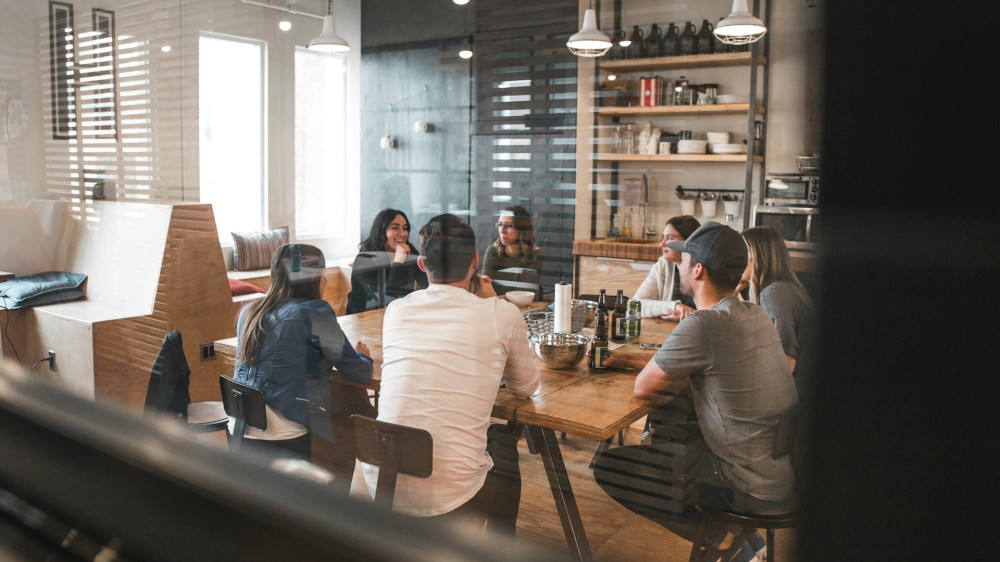
Many employees eat lunch at their desks to save time, but distracted eating can lead to consuming more than intended. When you eat while checking emails or scrolling through your phone, your brain doesn’t fully register the meal, and you may feel less satisfied afterward.
Try to make lunch a real break. Sit somewhere else, put your phone away, and focus on the food and conversation. Eating mindfully not only improves digestion but also helps you return to work feeling refreshed and alert.
How the Workplace Can Help
Employers can play a big role in promoting healthy eating habits—without making it feel restrictive. Here are a few ideas that work:
- Make healthy foods visible and appealing – place fruit, nuts, and water at eye level in the break room.
- Offer smaller portions of treats – bite-sized desserts let people enjoy a taste without overdoing it.
- Label foods clearly – simple signs with ingredients or nutrition info help employees make informed choices.
- Encourage balance, not guilt – it’s about making the healthy choice easy, not banning the fun ones.
When the workplace culture supports both enjoyment and well-being, employees are more likely to make balanced choices naturally.
Manage Stress and Fatigue—the Hidden Triggers
Many people reach for snacks not because they’re hungry, but because they’re stressed, tired, or need a mental break. Sugar and caffeine can give a quick energy boost, but the effect fades fast, often leaving you more drained.
Workplaces can help by encouraging short breaks, walks outside, or quiet spaces to recharge. These small pauses reduce stress and the urge to “eat for energy,” while improving focus and mood.
Læs også:



Build a Positive Food Culture
Food at work should bring people together, not create guilt or pressure. The goal isn’t perfection—it’s awareness and balance. When employees feel free to enjoy their meals while also listening to their bodies, healthy habits become sustainable.
Leaders and coworkers can support this by talking about energy and well-being rather than diets or weight. A positive food culture is about helping everyone feel good and perform their best throughout the day.
Small Steps, Big Impact
Preventing overeating at work doesn’t require drastic changes. It’s about small, mindful choices—both personal and organizational. When you slow down, eat with awareness, and make nutritious options easy to access, lunch becomes more than just a meal. It becomes a moment to recharge your body and mind for the rest of the day.
Læs også: