Green Logistics: Leveraging Warehouse Data for Sustainable Decisions

Green Logistics: Leveraging Warehouse Data for Sustainable Decisions
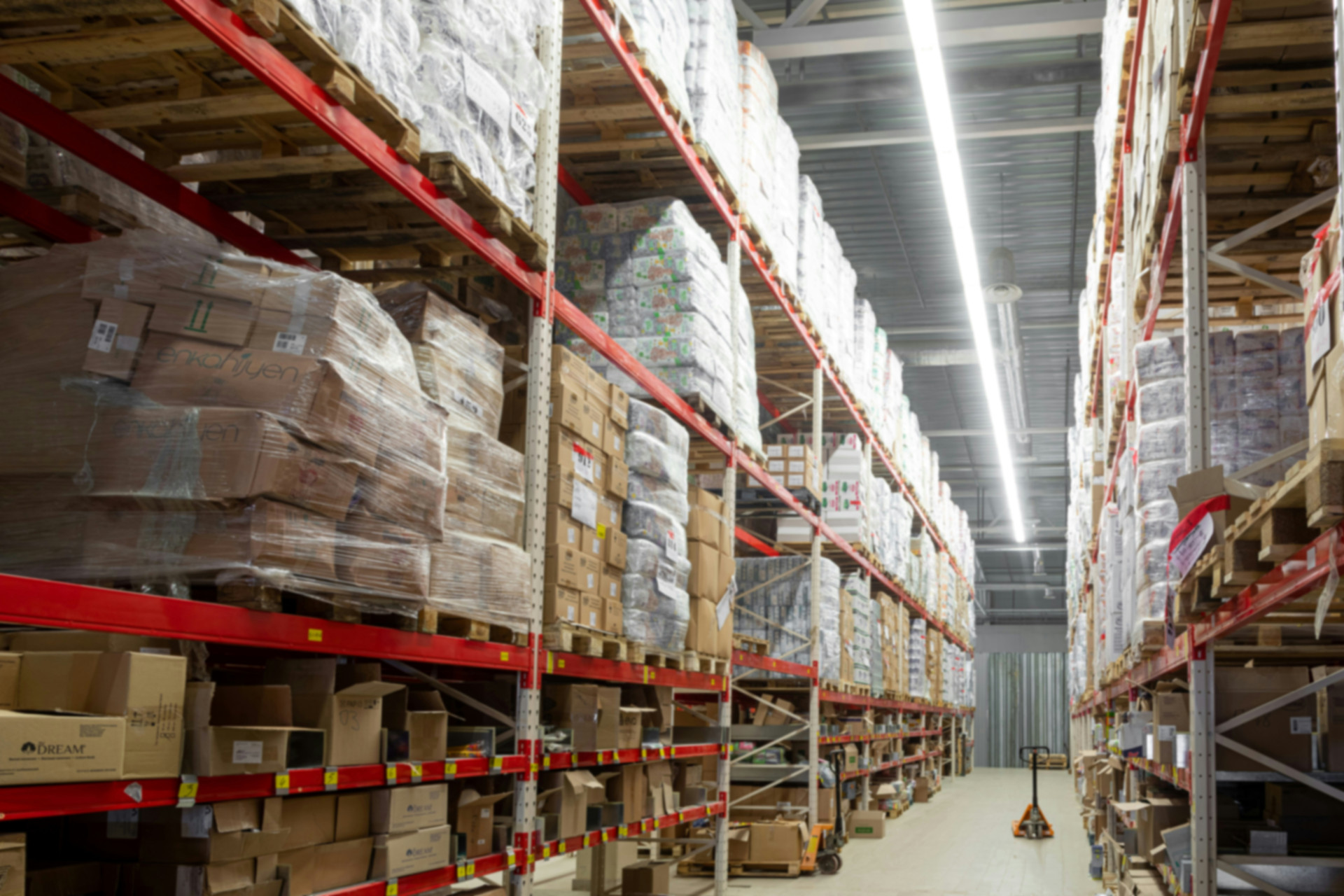
As sustainability becomes a defining factor in corporate strategy and consumer expectations, logistics operations are under growing pressure to reduce their environmental footprint. The warehouse is no longer just a storage facility—it’s a data hub that can reveal how resources are used, where energy is wasted, and how operations can become more efficient. By strategically leveraging warehouse data, U.S. companies can make sustainable decisions that strengthen both their environmental performance and their bottom line.
Data as the Engine of Sustainable Transformation
Warehouse data holds a wealth of insights—from inventory turnover and dwell times to energy consumption and transportation patterns. When analyzed systematically, these data points can uncover inefficiencies and highlight opportunities for improvement.
For example, identifying products that are frequently moved unnecessarily can help reduce energy use and labor costs. By analyzing picking frequency and seasonal demand, companies can optimize product placement to minimize travel distances within the warehouse. Similarly, monitoring temperature, lighting, and energy data allows for smarter control of HVAC and lighting systems, ensuring energy is used only where and when it’s needed.
Læs også:

Optimizing Transportation and Route Planning
Transportation between warehouses and customers is one of the largest sources of carbon emissions in logistics. By combining warehouse data with transportation analytics, companies can design more efficient routes and improve truckload utilization. Understanding when and how often certain products are shipped enables planners to consolidate deliveries, reducing empty miles and fuel consumption.
Many U.S. logistics providers now use AI-driven route optimization tools that factor in real-time traffic, weather, and delivery windows. These systems not only cut emissions and fuel costs but also improve delivery reliability—offering customers a greener and more efficient service.
Reducing Waste Through Smarter Inventory Management
Overproduction and waste remain major challenges across supply chains. By using warehouse data to forecast demand more accurately, companies can avoid overstocking and reduce the risk of unsold or expired goods. This not only minimizes waste but also lowers storage and transportation costs.
Data can also help identify products nearing expiration, enabling timely discounting or donation. In this way, warehouse management becomes not just a matter of efficiency, but also of social and environmental responsibility.
Automation and Energy Efficiency
Automation technologies—such as robotics, sensors, and AI-driven warehouse management systems—can significantly enhance sustainability when guided by accurate data. Automated systems can operate with lower energy consumption, optimize movement patterns, and reduce the need for lighting and heating across large facilities.
Real-time energy monitoring allows managers to adjust operations dynamically and document progress toward sustainability goals. This data-driven transparency supports ESG (Environmental, Social, and Governance) reporting and helps companies demonstrate measurable impact to investors and customers alike.
From Data to Action—and Culture
Leveraging warehouse data for sustainable decision-making is not just about technology; it’s about culture. It requires that employees and leadership view data as a tool for improvement rather than control. When everyone understands how small operational changes—like smarter picking routes, reusable packaging, or choosing lower-emission carriers—can lead to significant environmental benefits, sustainability becomes part of everyday operations.
Data makes it possible to measure the results of these initiatives, fostering a culture of continuous improvement and accountability.
The Future of the Green Warehouse
The future of logistics in the United States will be data-driven, automated, and sustainable. Companies that begin using their warehouse data proactively today will gain a competitive edge in efficiency, environmental performance, and customer trust.
Green logistics is not about choosing between profitability and sustainability—it’s about using data to align the two. The warehouse is no longer just a link in the supply chain; it’s the key to building a more sustainable and resilient logistics ecosystem.
Læs også: