Standardization vs. Flexibility – How to Find the Right Balance in Warehouse Optimization

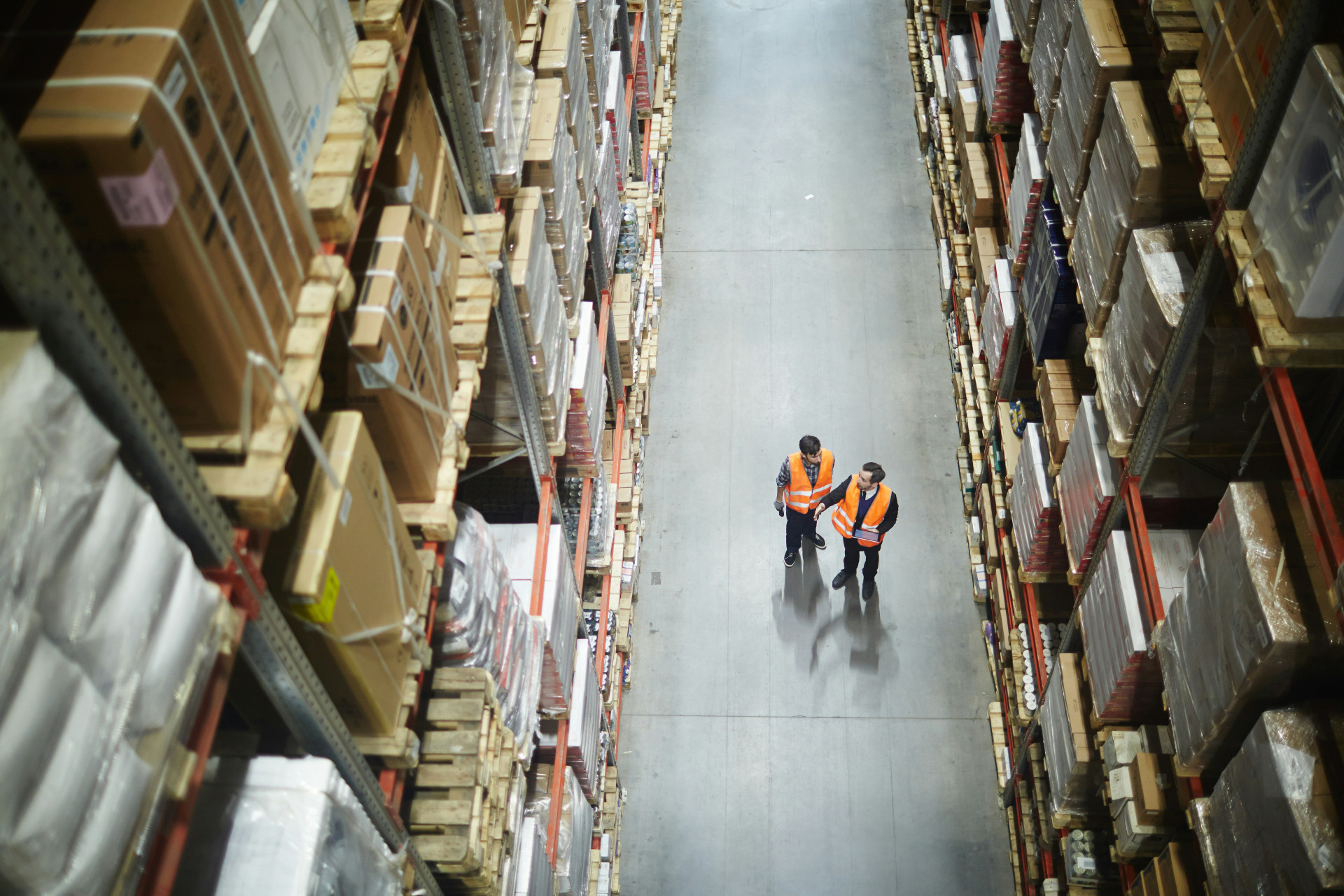
Standardization vs. Flexibility – How to Find the Right Balance in Warehouse Optimization
Efficient warehouse management is all about finding the right balance between structured processes and the ability to adapt to change. Too much standardization can make operations rigid, while too much flexibility can lead to inconsistency and inefficiency. In a U.S. logistics landscape shaped by e-commerce growth, labor shortages, and rising customer expectations, understanding how to combine structure with agility is key to long-term success.
Why Standardization Is the Foundation
Standardization forms the backbone of any well-run warehouse. When workflows, data handling, and quality procedures follow consistent standards, it becomes easier to maintain accuracy, train employees, and scale operations.
- Consistent procedures make it possible to measure performance and identify areas for improvement.
- Clear guidelines reduce errors and ensure everyone works toward the same goals.
- Automation becomes more effective when processes are standardized—especially when using Warehouse Management Systems (WMS) or automated picking technologies.
Standardization provides stability, predictability, and a foundation for continuous improvement. However, if it becomes too rigid, it can stifle innovation and slow down the ability to respond to market shifts or customer demands.
Flexibility as a Competitive Advantage
Flexibility is about being able to adapt—whether to seasonal fluctuations, new product lines, or unexpected supply chain disruptions. A flexible warehouse can quickly adjust when demand spikes or when suppliers face delays. But flexibility should be intentional and supported by systems and skills, not just improvised on the fly.
- Cross-trained employees make it easier to reallocate labor where it’s needed most.
- Modular layouts and scalable processes allow for quick adjustments in capacity.
- Data-driven insights enable faster, more informed decisions rather than relying on intuition.
Flexibility doesn’t mean abandoning structure—it means building adaptability into the structure itself. The most resilient warehouses are those that can pivot without losing control.
When Standardization and Flexibility Work Together
The optimal warehouse strategy emerges when standardization and flexibility complement each other. The key is to define which parts of the operation must remain fixed and where there’s room for adaptation.
A practical approach is to divide processes into three categories:
- Core processes that must always follow strict standards—such as receiving, safety procedures, and inventory accuracy.
- Support processes that can vary depending on conditions—like picking methods or packaging strategies based on order size or customer requirements.
- Improvement processes that require flexibility—such as testing new technologies, layouts, or workflow optimizations.
This structure allows companies to maintain control while staying responsive to change.
Læs også:

Technology as the Bridge
Digital tools play a crucial role in uniting standardization and flexibility. Modern WMS platforms, automation systems, and analytics tools create standardized frameworks that can still adapt dynamically.
For example, real-time data provides visibility into inventory levels, picking performance, and bottlenecks. With accurate data, managers can make quick adjustments without losing oversight. Meanwhile, robotics and AI-driven planning can allocate tasks based on real-time demand, ensuring flexibility without compromising consistency.
In the U.S., where warehouses are increasingly adopting automation and facing labor constraints, technology is the bridge that allows both standardization and flexibility to thrive.
People at the Center
Even the most advanced systems depend on the people who operate them. A culture that values both adherence to standards and openness to change is essential for sustainable optimization.
- Involve employees in process development to build ownership and understanding.
- Foster a learning culture where continuous improvement is part of daily work.
- Provide ongoing training so staff can confidently handle new systems and evolving workflows.
When employees feel secure within clear structures, they’re more capable of acting flexibly when challenges arise.
Balance as an Ongoing Process
Finding the right balance between standardization and flexibility isn’t a one-time project—it’s a continuous journey. Market conditions, technology, and customer expectations evolve constantly, and warehouse strategies must evolve with them.
The guiding principle is simple: standardization should create stability, while flexibility should enable growth and innovation. When these two forces work in harmony, warehouses become not only efficient and reliable but also resilient and ready for the future.
Læs også: