Keep the Air Fresh: Simple Habits for a More Energized Workday

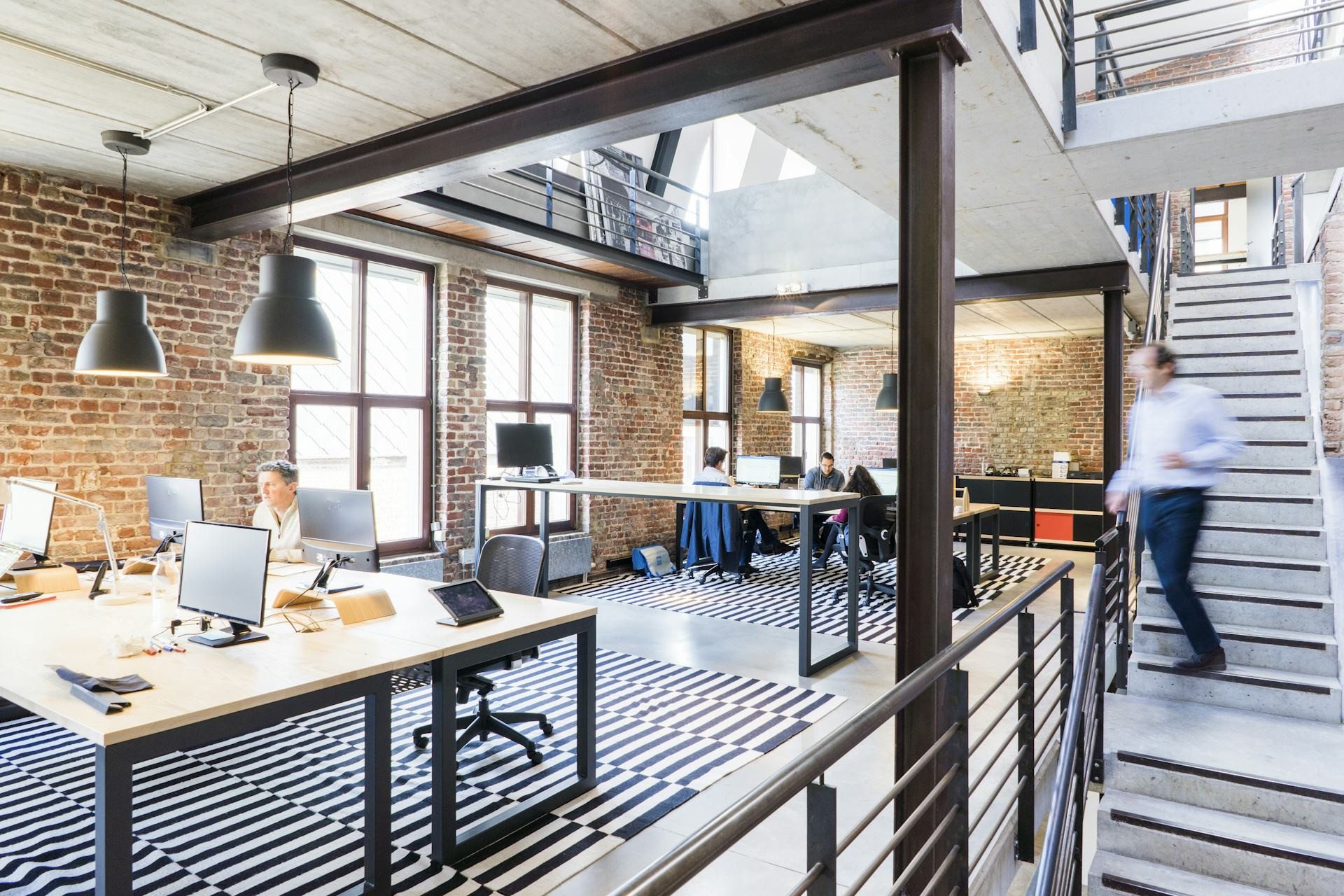
Keep the Air Fresh: Simple Habits for a More Energized Workday
Fresh air isn’t just about comfort—it’s about focus, mood, and productivity. Many offices struggle with stuffy air, afternoon fatigue, and a drop in energy, but small daily habits can make a big difference. Here are a few simple ways to keep the air fresh and your energy levels high throughout the workday.
Start the Day with a Breath of Fresh Air
When the workday begins, take a few minutes to let in some fresh air. Opening windows for ten minutes can quickly replace stale indoor air and help you start the day feeling alert. If you work from home, make it part of your morning routine—perhaps while brewing coffee or checking your schedule.
In shared office spaces, it’s worth repeating this a few times during the day. Regular ventilation helps reduce carbon dioxide levels, which can otherwise rise quickly and lead to drowsiness or headaches.
Schedule Short “Air Breaks”
Instead of airing out the room only when it feels stuffy, plan short “air breaks.” Five minutes mid-morning and again in the afternoon can do wonders. Use the time to stretch, refill your water bottle, or take a few deep breaths by an open window.
These small breaks not only refresh the air but also give your mind a quick reset, helping you return to work with renewed focus.
Læs også:



Add Green Plants for Natural Air Quality
Plants do more than brighten up a workspace—they can also help clean the air. Certain varieties, such as peace lilies, ferns, and rubber plants, are known for absorbing carbon dioxide and releasing oxygen. They can also help balance humidity, making the room more comfortable.
Try placing a few plants near desks or in common areas. They create a calmer, more natural atmosphere and subtly improve the air you breathe.
Minimize Stale Air from Electronics and Cleaning Products
Office equipment like printers and computers can release heat and particles that affect air quality. Make sure these devices are placed in well-ventilated areas. When cleaning, choose products with mild or natural ingredients to avoid harsh chemical odors.
In open offices, keeping cables and equipment organized can also help air circulate more freely. Small adjustments in layout can make a noticeable difference in how fresh the space feels.
Step Outside During Breaks
A short walk outdoors can do wonders for both body and mind. It boosts circulation, provides fresh air, and helps your brain reset. Even five minutes in natural light can improve concentration and mood for the rest of the day.
When the weather’s nice, consider taking phone calls or coffee breaks outside. A change of scenery and a dose of fresh air can make returning to your desk feel more energizing.
Build a Shared Culture of Fresh Air
A healthy indoor environment is a team effort. Talk with coworkers about how to make fresh air part of your office routine—perhaps by setting regular times to open windows or reminding each other to take short breaks.
When everyone contributes, it’s easier to maintain good habits, and the benefits are quickly felt: fewer sluggish afternoons, more energy, and a workspace that feels lighter and more pleasant.
Fresh Air as a Workday Essential
Keeping the air fresh is ultimately about well-being. It doesn’t require big investments—just awareness and a few consistent habits. When fresh air becomes a natural part of your daily rhythm, energy and motivation follow.
So next time you feel your focus fading, try the simplest fix first: open a window, take a deep breath—and feel the difference.
Læs også: