When the Office Gets Noisy: Why Acoustic Challenges Arise – and How to Solve Them


When the Office Gets Noisy: Why Acoustic Challenges Arise – and How to Solve Them
Open-plan offices, hard surfaces, and busy workspaces can quickly create a soundscape that drains focus and energy. Office noise isn’t just an annoyance—it affects well-being, productivity, and collaboration. But why do these acoustic challenges arise, and what can be done to create a more comfortable sound environment?
Why Noise Becomes a Problem
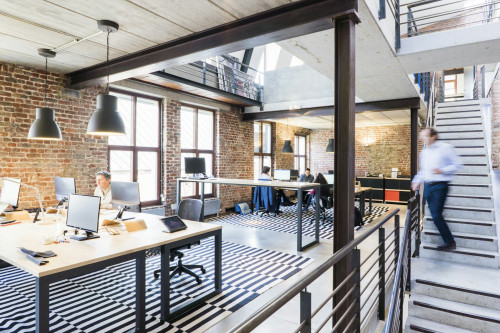
Modern offices often prioritize aesthetics, light, and flexibility—but acoustics are easily overlooked. Many workplaces feature glass walls, concrete floors, and minimalistic designs that reflect sound rather than absorb it. The result? Even normal conversation can spread across the room.
When multiple people talk at once, noise pollution builds up—a constant background hum that the brain must work to filter out. That effort takes energy and can lead to fatigue, stress, and reduced concentration. Studies have shown that even low-level background noise can impair performance on tasks that require focus.
Common Sources of Office Noise
Noise in the workplace rarely comes from a single source. It’s usually a mix of small sounds that add up. The most common culprits include:
- Conversations – both casual chats and phone calls are major contributors.
- Office equipment – printers, coffee machines, and HVAC systems create a steady hum.
- Movement – footsteps, rolling chairs, and closing doors cause sudden spikes in sound.
- Meetings in open areas – even short discussions can disrupt nearby coworkers.
When these sounds overlap, it becomes difficult to concentrate—especially in open offices where there are few barriers to block or absorb noise.
The Impact on Employees and the Workplace
Poor acoustics affect more than just focus. Many employees report irritation, headaches, and increased stress when exposed to constant noise. Over time, this can lead to more mistakes, lower efficiency, and reduced job satisfaction.
For employers, the consequences are tangible: lower productivity, higher turnover, and more sick days. Good acoustics, therefore, aren’t just about comfort—they’re an investment in employee well-being and business performance.
Læs også:



How to Improve Office Acoustics
Fortunately, there are many ways to create a better sound environment. Both small adjustments and larger design changes can make a noticeable difference.
1. Use Sound-Absorbing Materials
Acoustic panels, ceiling tiles, and wall coverings made from fabric or felt can significantly reduce echo and reverberation. The more soft surfaces you introduce, the less sound bounces around the room.
2. Design with Sound in Mind
Place noisy equipment—like printers and coffee stations—away from work areas. Use bookshelves, plants, and partitions as natural sound barriers. Even small layout changes can help reduce noise levels.
3. Create Zones for Different Activities
An effective office supports both focus and collaboration. Designate quiet zones for concentrated work and separate areas for meetings and conversations. This gives employees the freedom to choose the environment that best fits their task.
4. Consider Acoustic Furniture
Modern office furniture often comes with built-in sound-absorbing features—such as phone booths, meeting pods, and upholstered seating. These flexible solutions can help manage noise in open spaces.
5. Build a Sound-Conscious Culture
Technology and design can only go so far—behavior matters too. Establish shared guidelines for phone calls, meetings, and use of common areas. A mindful approach to sound can be just as important as acoustic panels on the walls.
When Quiet Becomes a Competitive Advantage
A well-designed acoustic environment isn’t necessarily silent—but the sounds are balanced and comfortable. That balance fosters focus, clearer communication, and a calmer atmosphere. In an era when many companies are encouraging employees to return to the office, a pleasant sound environment can make all the difference.
Investing in acoustics isn’t just about reducing noise—it’s about creating a workplace where people can thrive, collaborate, and perform at their best.
Læs også: