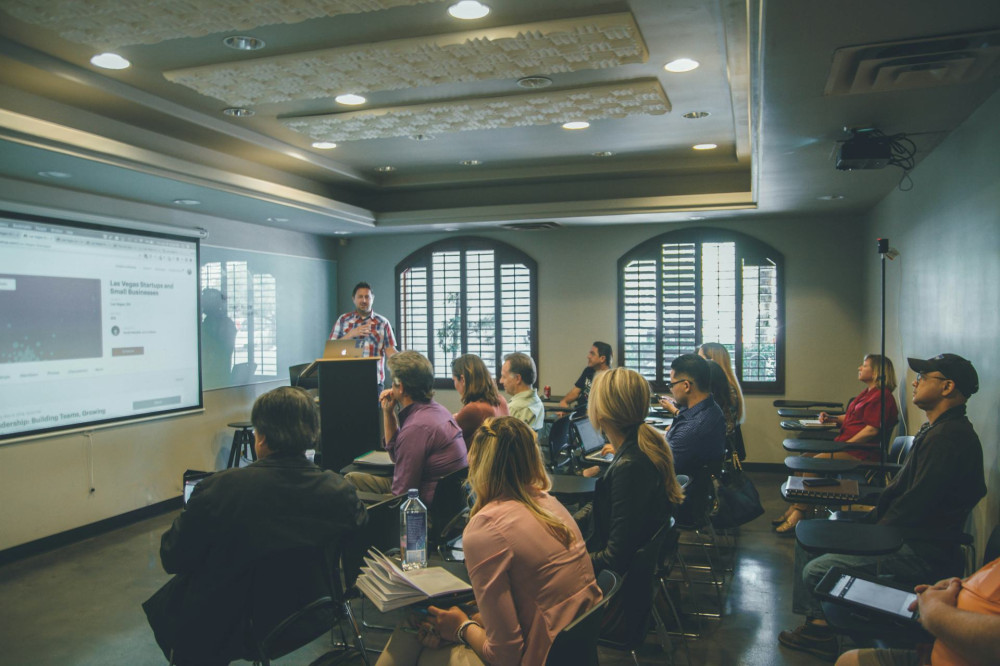
Plan Your Continuing Education with a Long-Term Career Perspective


Plan Your Continuing Education with a Long-Term Career Perspective
Continuing education isn’t just about earning a certificate or learning a new software program. It’s about strengthening your position in the job market, expanding your skills, and creating new opportunities—both now and in the future. But how do you plan your education so it supports your long-term career goals? Here’s how to think strategically when investing in your own learning.
Know Where You Stand—and Where You Want to Go
Before signing up for a course, take a step back and assess your current situation. What skills do you already have, and where do you want to be in a few years? Maybe you want to move up in your current organization, switch industries, or deepen your expertise in a specific field.
Be honest about your strengths and areas for growth. Ask for feedback from your manager, colleagues, or mentors—they can often provide valuable insights into your potential and where you might focus your development.
Once you have a clear goal, it becomes much easier to choose the right learning opportunities and stay motivated throughout the process.
Think in Terms of Skills, Not Just Courses
Continuing education doesn’t always mean enrolling in a long degree program. It can also include short courses, online certifications, workshops, or mentorships. The key is to build skills that add value—to you and to your employer.
Look at which skills are in demand in your field. Are employers seeking data literacy, project management, communication, or sustainability expertise? Many industries are evolving rapidly, and staying ahead of the curve can make a big difference.
A good rule of thumb is to combine deep technical knowledge with broad, transferable skills. This balance makes you more adaptable and competitive in a changing job market.
Connect Learning with Real-World Practice
Education has the greatest impact when you can apply what you learn right away. Try to link your learning to specific projects or challenges at work. This not only helps you retain knowledge but also demonstrates to your employer that you can turn new insights into tangible results.
If you’re currently employed, talk with your supervisor about how your continuing education can fit into your work schedule. You might be able to take on new responsibilities, pilot a new process, or join a professional network related to your studies.
If you’re between jobs, use your learning to build a portfolio or project that showcases your skills in action.
Plan for the Long Term—but Stay Flexible
A career plan isn’t a rigid roadmap—it’s a compass. The world changes, and so do your interests and opportunities. That’s why continuing education should be seen as an ongoing process, not a one-time effort.
Create a plan for the next three to five years, but be ready to adjust it as new possibilities arise. You might discover a new area of interest, or a technology that reshapes your industry. Staying open to change ensures that your learning remains relevant and exciting.
The most important thing is to keep your curiosity alive and view learning as a natural part of your professional life.
Læs også:



Use Networks and Career Resources
You don’t have to plan your continuing education alone. Many professional associations, universities, and career centers in the U.S. offer guidance, skills assessments, and resources to help you find the right programs. Some employers also provide tuition assistance or professional development funds—be sure to explore what’s available to you.
Networking can also be a powerful tool. Talk with colleagues, alumni, or professionals in your field about which programs or certifications have benefited them. Personal recommendations often lead to the most valuable learning experiences.
See Continuing Education as an Investment
Continuing education requires time, energy, and often money—but it’s an investment that pays off. It can open doors to new roles, higher salaries, and greater job satisfaction. It also signals to employers that you take ownership of your growth and are committed to staying relevant.
When you plan your continuing education with a long-term perspective, you’re not just keeping up—you’re shaping your own future. It’s a way to stay engaged, adaptable, and confident in a job market that never stands still.
Læs også: