Reflection Exercises That Help You Retain New Knowledge in Everyday Life


Reflection Exercises That Help You Retain New Knowledge in Everyday Life
Learning something new is one thing—making it stick and using it in real life is another. Whether you’re taking an online course, reading a professional book, or learning through experience at work, reflection is what turns information into lasting knowledge. Reflecting helps you understand why something works, how you can apply it, and what you might do differently next time. Here are some practical reflection exercises that can help you strengthen your learning and make new knowledge part of your everyday life.
Why Reflection Makes a Difference
When you reflect, you put your experiences and thoughts into words. This helps your brain connect new information with what you already know. Without reflection, new learning often stays on the surface—something you understand in the moment but quickly forget.
Reflection isn’t just about looking back; it’s also about looking forward. Ask yourself: What did I learn? How can I use it? What will I do differently next time? By asking these questions, you turn learning into an active process that continues long after the class, meeting, or training session ends.
1. Keep a Short Learning Journal
A learning journal is a simple but powerful way to hold on to new knowledge. Spend five minutes at the end of your day or week writing down:
- What did I learn today?
- What surprised me?
- How can I use this in practice?
- What do I want to explore or practice more?
It doesn’t have to be long—just a few lines are enough. The key is to capture your thoughts while they’re still fresh. Over time, your journal becomes a record of your growth and a tool for spotting patterns in how you learn best.
2. Try the “Before-During-After” Method
This method helps you structure your reflection around a specific learning experience—like a workshop, meeting, or project.
- Before: What do I expect to learn? What questions do I have?
- During: What stands out to me? What feels interesting or challenging?
- After: What am I taking away? How can I apply it in my daily life?
Thinking in phases makes you more aware of your learning process and helps you turn insights into action.
Læs også:

3. Share Your Reflections with Others
Reflection often deepens when you share it. Talk with a coworker, a study group, or a friend about what you’ve learned. Hearing others’ perspectives can help you see connections you might have missed.
A great habit is to end meetings or training sessions with a quick round where everyone shares one takeaway. It strengthens both learning and teamwork.
4. Use Reflection Questions in Everyday Life
You don’t need a special occasion to reflect. You can make it part of your daily routine by asking yourself small questions:
- What went well today—and why?
- What could I have done differently?
- What did I learn from a mistake or challenge?
- What will I try next time?
You can reflect on your commute, during a walk, or as part of your evening routine. The goal is to create small pauses that help you think about what you’ve learned.
5. Visualize Your Learning
Some people think best in pictures. If that’s you, try drawing or creating mind maps of what you’re learning. It could be a diagram of a process, a project overview, or a concept map. Visualizing helps you see relationships and remember complex ideas more easily.
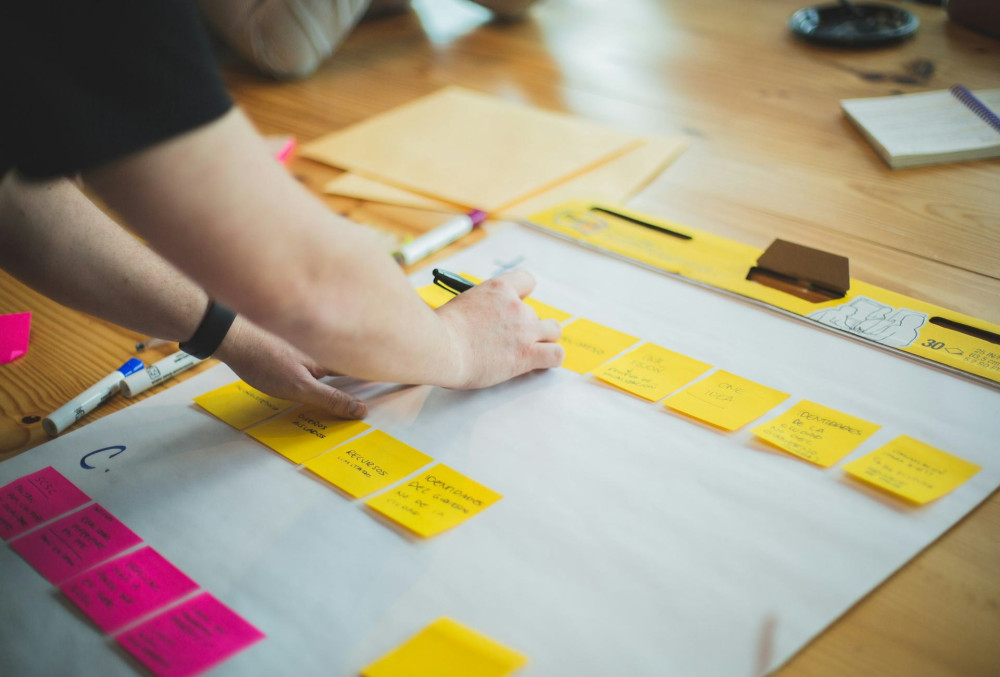
You can also use sticky notes on a wall to collect ideas, experiences, and reflections. Making your learning visible helps you stay engaged and see your progress over time.
6. Make Reflection a Habit
Reflection works best when it becomes part of your routine. Choose a time that fits your schedule—maybe Friday afternoon, Sunday evening, or right after an important meeting. Set a reminder and stick with it, even when life gets busy.
Over time, you’ll notice that reflection doesn’t just help you remember—it helps you grow. You’ll become more aware of your strengths, your learning strategies, and your goals.
From Knowledge to Action
Learning isn’t just about collecting information—it’s about using it. Reflection is the bridge between knowing and doing, the step that turns understanding into skill. By giving yourself time to think, write, and talk about what you learn, you anchor knowledge more deeply.
So next time you learn something new, ask yourself: What does this mean for me—and how can I use it tomorrow?
Læs også: