
Choosing the right scissor lift table for industrial efficiency and safety in the UK
Construction
Construction
19/12/2025

Choosing the right scissor lift table for industrial efficiency and safety in the UK
Construction
Construction
19/12/2025
Selecting the ideal scissor lift table is crucial for enhancing industrial efficiency while maintaining safety standards in the UK. Businesses must carefully match the type of lift table, its load capacity, platform size, lift height, and mobility options to the specific tasks at hand. Additionally, compliance with UK regulations such as HSE, PUWER, LOLER, and Work at Height is essential to ensure safe operation. Operator training, including recognised certifications like IPAF, alongside regular maintenance and thorough site risk assessments, form the backbone of a safe and productive lifting environment.
Key factors to consider when choosing a scissor lift table
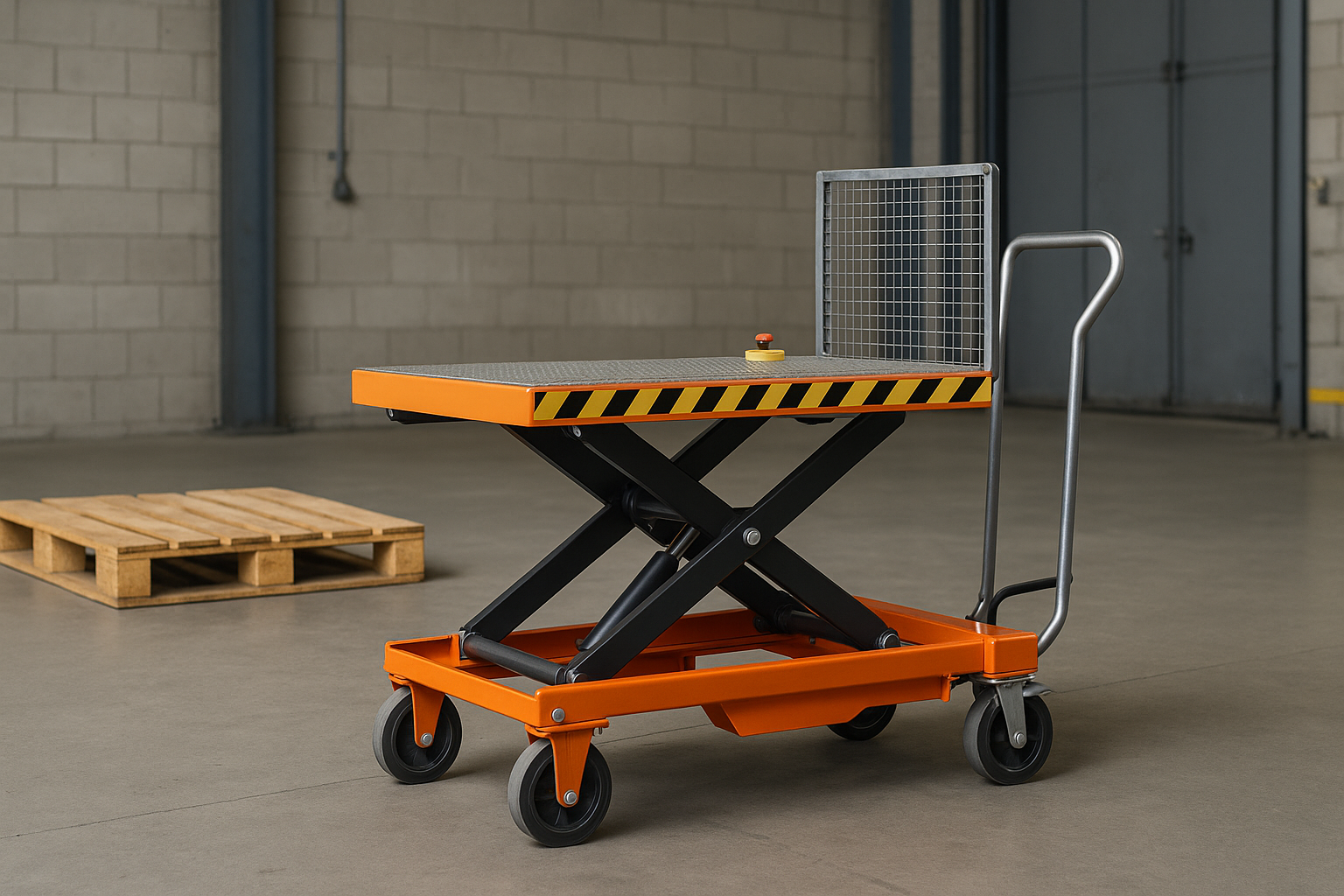
First, understand the primary purpose of the lift table. Whether it’s for ergonomically positioning workpieces, transferring materials, loading docks, or integrating into automated processes, the right type varies. Low-profile pallet lifts suit ergonomic tasks, while vertical single or double scissor tables handle heavier loads or greater heights. Mobile models offer flexibility across multiple work areas. Next, load capacity must be carefully selected to cover the heaviest expected loads, accounting for off-centre placements that can reduce effective capacity significantly. Platform size and configuration are equally important. The surface should comfortably fit pallets, trays, or operators and include safety features such as toe guards, ramps, and rails. For industries like food processing or cleanrooms, stainless steel construction and appropriate IP ratings ensure hygiene and durability. The required lift height determines whether a single, double, or triple scissor stack is needed, with higher lifts typically requiring more complex configurations.Ensuring compliance and safety for UK industries
Safety features such as emergency stops, mechanical locks, overload protection, and guarding on the scissor mechanism are vital. Regular inspections under LOLER and adherence to PUWER regulations help maintain compliance. Before use, conducting site-specific risk assessments is mandatory under Work at Height Regulations, including planning for pedestrian and vehicle separation and controlling risks like entrapment or overturning. Operator competence is critical, with accredited training programmes like IPAF or NPORS recommended to ensure safe handling and reduce workplace accidents. Power supply compatibility, control ergonomics, and duty cycle requirements must be aligned with operational needs. Businesses should decide between stationary units, including pit-mounted options for dock-level loading, or mobile battery-operated models for versatile use. Planned maintenance, pre-shift checks, and periodic thorough examinations extend the service life of lift tables, often up to 15-20 years when properly cared for.Benefits of choosing the right scissor lift table
- Improved workplace ergonomics and reduced risk of musculoskeletal injuries
- Increased operational efficiency through faster and safer material handling
- Compliance with UK safety regulations reducing legal and insurance risks
- Customisable options to meet specific industrial needs and environments
- Long-term durability supported by regular maintenance and quality construction