Commercial Construction in Practice: Different Needs Require Different Solutions

Commercial Construction in Practice: Different Needs Require Different Solutions
Commercial construction covers a wide range of building types – from office complexes and manufacturing plants to logistics centers, retail spaces, and healthcare facilities. What they all share is the need to support a company’s operations, employees, and long-term goals. Yet because every business is different, there is no one-size-fits-all solution. A successful commercial project requires a deep understanding of function, budget, and identity – and close collaboration between the owner, designers, and contractors.
Construction as a Strategic Investment
A commercial building is rarely just about square footage and materials. It’s a strategic investment meant to create value on multiple levels. For some companies, the goal is to streamline production and reduce operating costs. For others, it’s about creating an inspiring workplace that attracts and retains talent.
That’s why every project should begin with a thorough needs assessment: What must the building deliver today, and how should it adapt tomorrow? Flexible layouts, modular construction, or expansion options can make the difference between a facility that quickly becomes outdated and one that remains relevant for decades.
Different Industries – Different Requirements
The needs of a corporate office differ greatly from those of a warehouse or a manufacturing facility. Each sector brings its own priorities and technical demands.
- Office buildings emphasize comfort, acoustics, daylight, and indoor air quality. Architecture and aesthetics play a major role, as the building often reflects the company’s brand and culture.
- Manufacturing facilities focus on logistics, safety, and efficiency. The flow of materials, equipment, and people must be carefully planned to support productivity.
- Distribution and logistics centers require high ceilings, efficient loading access, and automation capabilities to handle large volumes quickly and safely.
- Retail construction centers on customer experience, flexibility, and visibility – both in layout and location.
- Healthcare and laboratory buildings demand strict attention to hygiene, ventilation, and technical systems to ensure safety and compliance.
Understanding these differences is key to designing buildings that perform well in practice.
Balancing Function and Aesthetics
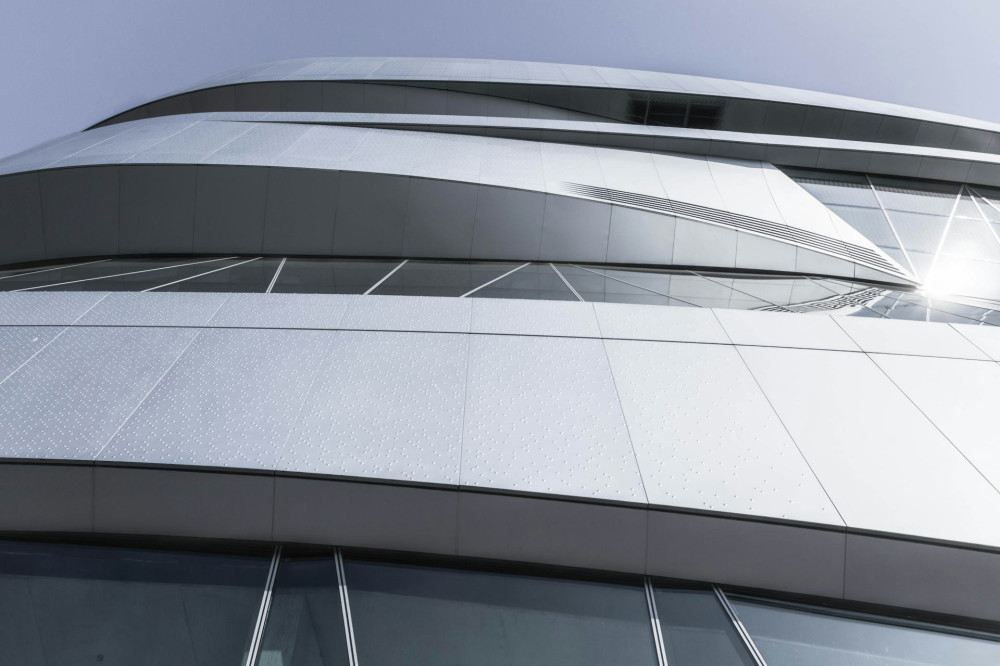
While functionality is essential, design and aesthetics also matter. A commercial building often serves as a company’s public face – a physical expression of its values and ambitions. Thoughtful architecture can strengthen a brand, foster employee pride, and signal professionalism to clients and partners.
Function and aesthetics can also reinforce each other. Large windows not only enhance the building’s appearance but also improve the work environment. Green roofs and façades can reduce energy use while supporting a sustainable image.
Læs også:

Sustainability as a Competitive Advantage
Sustainability is no longer optional – it’s expected. Many U.S. companies now pursue certifications such as LEED or WELL to demonstrate environmental and social responsibility. This focus isn’t just about climate impact; it’s also about long-term economics. Energy-efficient buildings have lower operating costs and higher asset value over time.
Material selection, energy performance, waste management, and indoor environmental quality should all be considered from the start. Recyclable materials and circular design strategies can make a project more resilient and future-ready.
Collaboration and Process – The Key to Success
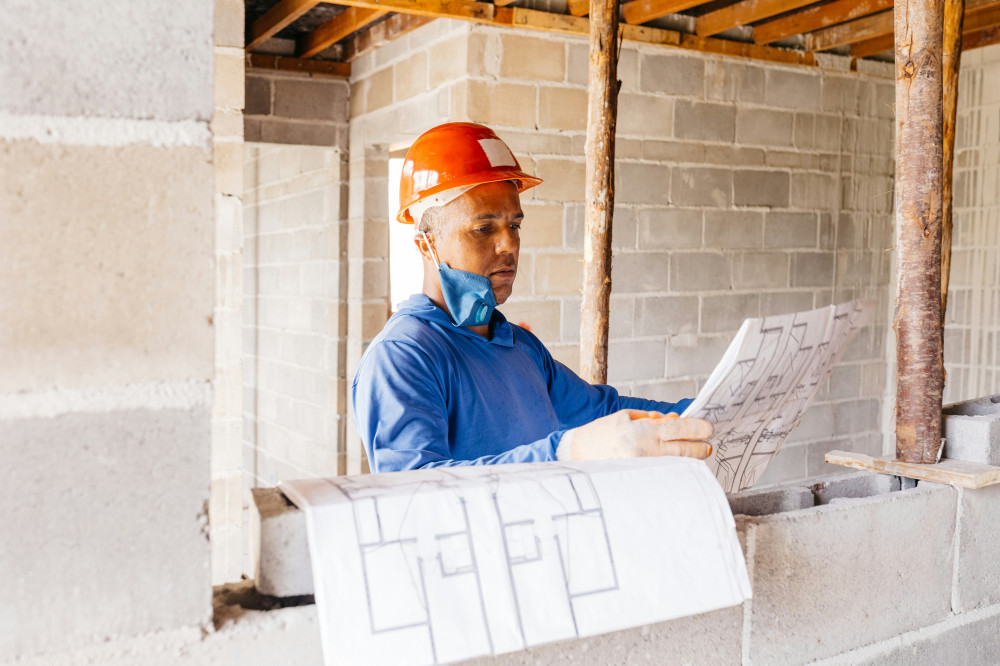
Commercial construction involves many stakeholders: owners, architects, engineers, contractors, and local authorities. The earlier they collaborate, the better the outcome. An integrated process built on shared goals can minimize errors, control costs, and ensure that the finished building meets expectations.
Digital tools such as Building Information Modeling (BIM) allow teams to visualize and coordinate every detail before construction begins. This improves decision-making and reduces surprises during the build.
The Future of Commercial Construction
The future of commercial construction in the U.S. will be more flexible, digital, and sustainable. Automation, smart sensors, and intelligent building systems will make facilities more efficient and adaptable. At the same time, the focus on employee well-being, green design, and social responsibility will continue to grow.
Yet one principle remains constant: the best commercial buildings are designed around the people and processes they serve. That’s where the most effective solutions emerge – at the intersection of need, knowledge, and vision.
Læs også: